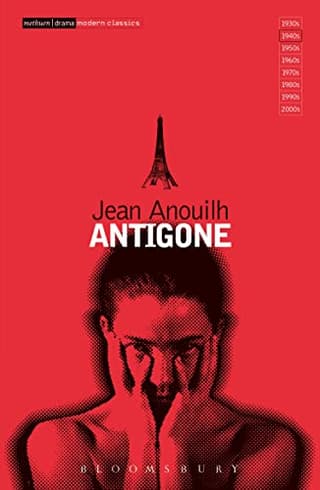
Antigone
by Jean Anouilh trans Barbara Bray

What readers are saying
Readers appreciate the depth and modern relevance of Anouilh's adaptation of Antigone, finding it a powerful exploration of individual versus state. Many highlight the strong character development and the intense dialogues that resonate with contemporary themes. The play's emotional impact and philosophical undertones are frequently praised, making it a memorable experience for readers.
Synopsis
'Anouilh is a poet, but not of words: he is a poet of words-acted, of scenes-set, of players-performing' Peter Brook
Jean Anouilh, one of the foremost French playwrights of the twentieth century, replaced the mundane realist works of the previous era with his innovative dramas, which exploit fantasy, tragic passion, scenic poetry and cosmic leaps in time and space.
Antigone
, his best-known play, was performed in 1944 in Nazi-controlled Paris and provoked fierce controversy.
In defying the tyrant Creon and going to her death, Antigone conveyed to Anouilh's compatriots a covert message of heroic resistance; but the author's characterisaation of Creon also seemed to exonerate Marshal Petain and his fellow collaborators.
More ambivalent than his ancient model, Sophocles, Anouilh uses Greek myth to explore the disturbing moral dilemmas of our times.
Commentary and notes by Ted Freeman.
Publication
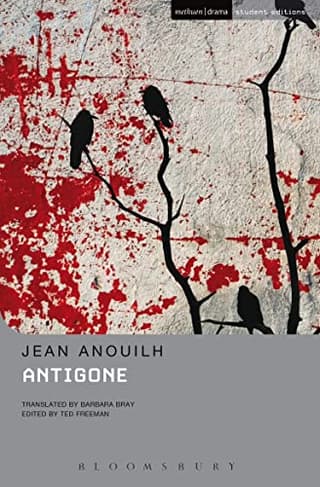
Antigone is a French play written by Jean Anouilh trans Barbara Bray and published by Methuen (2009).
Digital editions available on Amazon Kindle.
Community Reviews
No community reviews yet
Buy Play

From £2.99
New · Used · Digital
- Amazon.co.ukUsedBest priceFree shipping£2.99
- AbeBooks.co.ukUsedFree shipping£3.34
- Amazon.co.ukFree shipping£8.99
- AbeBooks.co.ukFree shipping£10.60
- Amazon KindleInstantCheck price
Digital prices may vary by region and tax jurisdiction.

Similar Plays
Plays with similar themes, style, and content.