(201k)
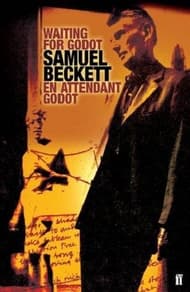
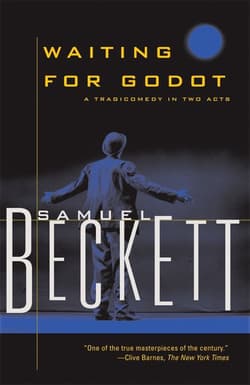
Waiting For Godot
Samuel Beckett

Why we like it
"Beckett's masterpiece remains the ultimate theatrical puzzle — two men, a tree, and an absence that says everything. If you haven't staged it yet, you should."
From: Our PicksWhat readers are saying
Readers have mixed feelings about this classic play. Many appreciate its deep philosophical themes and absurdist humor, while some find it tedious and lacking in action. The exploration of existential waiting resonates with many, though others struggle with its repetitive nature and ambiguity.
From an inauspicious beginning at the tiny Left Bank Theatre de Babylone in 1953, followed by bewilderment among American and British audiences, Waiting for Godot has become of the most important and enigmatic plays of the past fifty years and a cornerstone of twentieth-century drama.
As Clive Barnes wrote, “Time catches up with genius … Waiting for Godot is one of the masterpieces of the century.”
The story revolves around two seemingly homeless men waiting for someone—or something—named Godot.
Vladimir and Estragon wait near a tree, inhabiting a drama spun of their own consciousness.
The result is a comical wordplay of poetry, dreamscapes, and nonsense, which has been interpreted as mankind’s inexhaustible search for meaning.
Beckett’s language pioneered an expressionistic minimalism that captured the existential post-World War II Europe.
His play remains one of the most magical and beautiful allegories of our time.
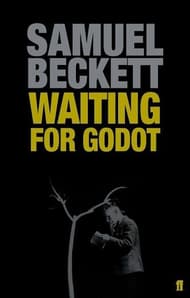
A first look at WAITING FOR GODOT.
Waiting For Godot is a British religious play written by Samuel Beckett and published by Grove Press (2006).
Digital editions available on Amazon Kindle, Apple Books, Google Play (eISBN 9780802198822).
No community reviews yet

Main
Faber & Faber · 2006 · 96 pp
From C$2.99
Digital prices may vary by region and tax jurisdiction.
Plays with similar themes, style, and content.
More plays from Samuel Beckett that we think you'll enjoy.