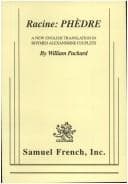
Phedre (Packard)
by Jean Racine, William Packard

What readers are saying
Readers appreciate the intense drama and tragic themes of the play, praising its emotional depth and the powerful use of language. Many highlight the captivating nature of the story and its historical significance, especially within the context of 17th-century literature. The characters and their struggles resonate profoundly with audiences, drawing them into the unfolding tragedy.
Synopsis
Phèdre falls in love with her husband Thésée's son Hippolyte - and through her passion she dooms the young man, the woman (Princess Aricie), her husband, her nurse confidante OEnone (who drives the plot with her unwise advice to Phèdre), and ultimately herself (she takes poison after confessing her crime to Thésée).
Agony-themed stage plays reached their zenith with the masterful pen of French playwright, Jean Racine.
Passion, wickedness, deceit, and conspiracy flowed like honey into the tragedy.
Press Reviews
"Fidelity to the original in clarity, choice of words, and verse structure.... Strong passions and dignity through catastrophe."
— New York World Telegram & Sun
"Perhaps the most civilized great tragedy ever written."
— Eric Bentley
Publication
Phedre (Packard) is a play written by Jean Racine and published by Samuel French (1966).
Community Reviews
No community reviews yet
Buy Play

Where to buy
New
Performance Rights
Restrictions: Major Markets Only (US) / Standard Restriction (UK)
Apply for Rights
Similar Plays
Plays with similar themes, style, and content.





More from Jean Racine
More plays from Jean Racine that we think you'll enjoy.