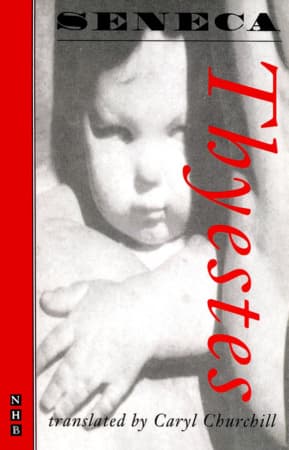
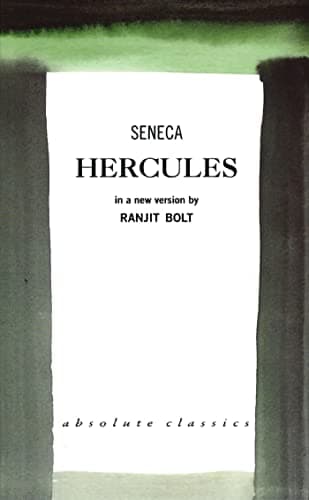
Hercules
by Seneca

Highlights
What readers are saying
Readers appreciate Seneca's adaptation of Hercules, finding its structure engaging and the language beautiful. Many commend the poetic quality of the descriptions while noting unique character portrayals. However, some feel the play reads more like a collection of monologues rather than a cohesive theatrical experience.
Synopsis
Juno, wife of Jove (Jupiter) is jealous of Alcmene, mother of Hercules by Jove, and has been persecuting Hercules by imposing labours on him, through her intermediary, the tyrant Eurystheus
The final labour, which Hercules has just completed, was the bringing up of Cereberus, the three-headed watchdog of the Underworld, up to the world above.
To do this, Hercules has achieved the astonishing feat, never before accomplished, of returning from the realm of Death.
Juno has now decided that sine labours cannot break Hercules, she will turn his own strength against him, by driving him mad when he returns to his home town of Thebes.
In his madness, he will commit atrocities that will preclude his ascension into Heaven, which Juno is determined to prevent.
This classic story is Ranjit Bolt's translation of Seneca’s poetic tale, which reveals the passion for rhetoric that was to have such a strong influence on Elizabethan drama and particularly on Marlowe and the young Shakespeare.
Publication
Hercules is a Greek & Roman play written by Seneca and published by Absolute Classics in London (1998).
Digital editions available on Amazon Kindle, Apple Books, Google Play (eISBN 9781783192557).
Community Reviews
No community reviews yet
Buy Play
Where to buy
New · Digital
Digital prices may vary by region and tax jurisdiction.
Similar Plays
Plays with similar themes, style, and content.




More from Seneca
More plays from Seneca that we think you'll enjoy.