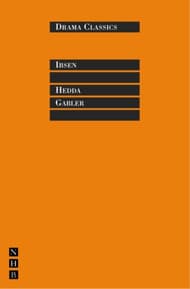
(37k)
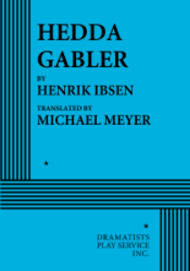
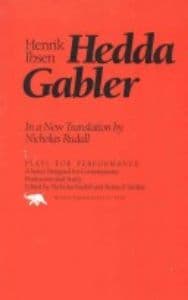
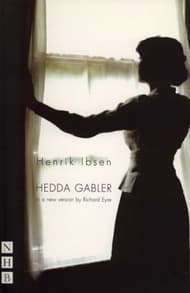
Hedda Gabler
Henrik Ibsen


What readers are saying
Readers appreciate the complexity and depth of Hedda Gabler, particularly admiring the character of Hedda herself as a strong and multifaceted figure. Many find the play to be a compelling exploration of societal constraints and personal ambition, with a mix of fascination and revulsion. The ending is frequently noted as a highlight, adding to the impact of the overall narrative.
Hedda is an intelligent and ambitious woman, trapped in the stifling environment of a bourgeois 19th-century marriage.
When writer Eilert Loevborg, an old flame returns to Hedda's life with a masterpiece that might threaten her husband's career, Hedda decides to take drastic and fatal action.
Universally condemned in 1890 when it was written, Hedda Gabler has since become one of Ibsen's most frequently performed plays.
Its title role is elusive and complex: Hedda is an intelligent and ambitious woman, who has no means of finding personal fulfilment in the stifling world of late nineteenth-century bourgeois society.
Too frightened of scandal to become involved with a brilliant, wayward writer, she opts for a conventional but loveless marriage in the hope of finding surrogate satisfaction through her husband's career.
Blending comedy and tragedy disconcertingly together, Ibsen probes the thwarted aspirations and hidden anxieties of his characters against a background of contemporary social conditions and attitudes.
"Brian Friel's new version—taking liberties that only a master playwright might—invests Ibsen's social realist original with psychological realism, presenting the harridan's gradual mental breakdown as a physiological consequence of an entirely inflexible social milieu. Friel finds wry humour in historical hindsight; however, while the dated attitudes of Hedda's husband, lovers and lady companions provoke laughter from a contemporary audience, Hedda's final actions become an almost logical defense against a world that refuses her agency. Crucially, they still have the capacity to shock.“ —Irish Times. ”[Brian Friel] has taken Ibsen's play and given it his own twist. His translation enlivens the dialogue between the characters, gives the play energy and brings out a wry and dark humour for a modern audience."
— Raidió Teilifís Éireann
"…when else have you seen a HEDDA GABLER that moved with such compelling force and fluency…? Jon Robin Baitz's loosened-up, colloquial translation is perfect…“ —The New York Times. ”…[demystifies] Ibsen's daunting antiheroine…[cuts] away the grande-dame mannerisms and aura of theatricality that the character tends to trail along with those sweeping 19th-century skirts…[a] nimble adaptation…“ —Variety. ”…[a] fluently idiomatic adaptation by Jon Robin Baitz…"
— New York Post
Ruth Wilson and Rafe Spall interview | Hedda Gabler | National Theatre
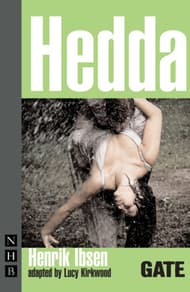
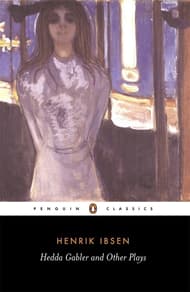
Hedda Gabler is a Scandinavian adaptation play written by Henrik Ibsen and published by Methuen in London (2002).
Digital editions available on Amazon Kindle.
No community reviews yet

First Edition
Methuen · 2002 · 208 pp
From £3.30 total
Digital prices may vary by region and tax jurisdiction.
Restrictions: Major Markets Only (US) / Standard Restriction (UK)
Apply for RightsPlays with similar themes, style, and content.
More plays from Henrik Ibsen that we think you'll enjoy.