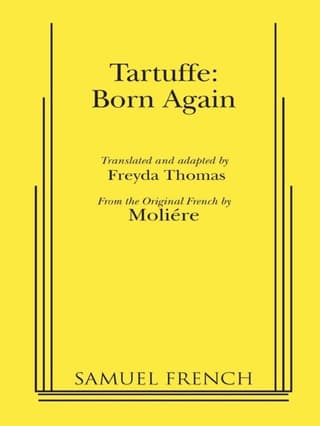
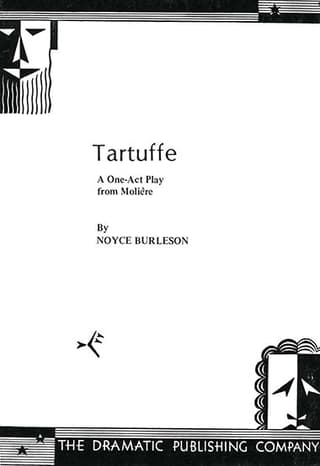
Tartuffe
by Noyce Burleson's adaptation of the Molière classic

What readers are saying
Readers appreciate the wit and humor of "Tartuffe," highlighting its sharp critique of hypocrisy that remains relevant today. Many are impressed by Richard Wilbur's translation, noting its clarity and poetic quality. The play's comedic elements and memorable characters also receive considerable praise, making it a recommended classic for fans of satire.
Synopsis
Tartuffe, or The Impostor, or The Hypocrite, first performed in 1664, is one of the most famous theatrical comedies by Molière.
The characters of Tartuffe, Elmire, and Orgon are considered among the greatest classical theatre roles.
It was condemned and banned from the stage for five years by the outcry of the « dévots », who were very influential at the kings court in Molière’s day.
Tartuffe is a satire on religious hypocrisy.
The religious fraud Tartuffe, a penniless scoundrel, worms his way into the rich merchant’s Orgon’s affections and household, blinding the master of the house with his religious « devotion » and counterfeit zeal.
He almost succeeds in his attempts to seduce Orgon’s wife, marry his daughter and drive away his son before the final unmasking.
Publication
Tartuffe is a play written by Noyce Burleson's adaptation of the Molière classic and published by Dramatic Publishing (1993).
Digital editions available on Amazon Kindle.
Community Reviews
No community reviews yet
Buy Play

Where to buy
New · Digital
Digital prices may vary by region and tax jurisdiction.
Performance Rights

Similar Plays
Plays with similar themes, style, and content.