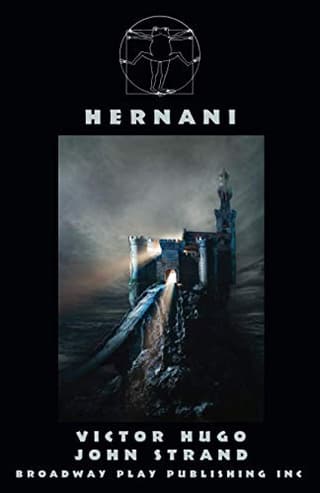
Hernani
by Victor Hugo, adapted by John Strand

What readers are saying
Readers express a range of opinions about Hernani, with many appreciating the poetic language and romantic themes typical of Victor Hugo. While some find the plot predictable or criticize its execution, others are captivated by the emotional depth and the complexity of the characters. Doña Sol's character receives particular acclaim for her allure and strength.
Synopsis
HERNANI, Victor Hugo’s third play, written when he was twenty-eight, was not so much a piece of theater as a bombshell dropped directly into the laps of les classiques, the conservative defenders of French drama and its perfect garden of rules, regulations and Aristotelian commandments of How Things Must Always And Forever Be.
Deviation was considered heretical; innovation unnecessary, and to some minds, criminal
Into this boutique of delicate porcelain sensibilities strode Victor Hugo, club in hand
Hugo found it convenient to his mission—essentially to become the world’s greatest living author (he ultimately succeeded) —to use HERNANI to free French theater from the forces of darkness that held it prisoner.
At the same time, he would launch the Romantic Movement in France, thereby liberating French poetry, French literature, French society, and a whole generation of bored young intelligentsia.
He would get to the working poor and the rest of Europe later
Jean Cocteau had it right when he famously observed that Victor Hugo was a madman who thought he was Victor Hugo.
Ah, but what a brilliant madman he was!— from the Introduction by John Strand
Publication
Hernani is a play written by Victor Hugo, adapted by John Strand and published by Broadway Play Publishing (2013).
Community Reviews
No community reviews yet
Buy Play

From C$20.32
New · Used
Performance Rights

Similar Plays
Plays with similar themes, style, and content.